
// retro · commodore
How the Commodore 64 Conquered the Bedroom, and Why Its Maker Did Not Survive It
The best-selling computer ever made was a beige box with a red light. This is the story of the survivor who built it as a weapon, the engineers who taught it to sing, and the boardroom that threw the whole thing away.
In 1986 a beige slab arrived in our home and changed the shape of my childhood. It was a Commodore 64, and the first thing it ever said to me was nothing at all. Just a calm blue screen, a blinking square of a cursor, and one word that has stayed with me ever since: READY.
It was not ready for anything in particular. That was the point. It sat there waiting, an empty invitation, and the only way to make it do something was to tell it. So I did. I typed a few numbered lines I had copied from a magazine, hit RUN, and watched a single white square crawl across the top of the screen, over and over, forever. It looked roughly like this.
10 PRINT CHR$(147)
20 FOR X=0 TO 39
30 POKE 1024+X,160:POKE 55296+X,1
40 FOR T=1 TO 40:NEXT
50 POKE 1024+X,32
60 NEXT X:GOTO 20
Six lines. A cleared screen, a loop, a number poked straight into the computer's memory, a white block appearing and then politely erasing itself one space to the right. To anyone walking past it was nonsense. To me it was the most powerful thing I had ever seen, because I had made it happen, and I could change it. Make the square red. Make it move faster. Make two of them. That little moving block is where a lot of people my age quietly became something other than a person who buys things. We became people who make them.
To understand how that box reached a child's desk, in a flat far from California, you have to wind back to a man who built it not as a gift to the world but as a weapon. His name was Jack Tramiel, and to understand him you first have to understand what he survived.
01 / the founder
"Business is war"
Jack Tramiel was born Idek Trzmiel in Lodz, Poland, in 1928. When the Nazis invaded, his family was forced into the Lodz ghetto, where he worked in a garment factory as a boy. In 1944 they were put on a train to Auschwitz. There the family was split apart. Tramiel and his father were examined by Josef Mengele, judged strong enough to work, and sent on to a labour camp called Ahlem, near Hanover. His father did not survive it. Tramiel was sixteen when American soldiers of the 84th Infantry Division reached the camp in April 1945 and pulled him out alive.
He arrived in the United States in 1947 with almost nothing, learned to repair typewriters in the US Army, and in the early 1950s borrowed money to open a small office-machine repair shop in the Bronx. He called it Commodore. The man who came out of those camps carried a worldview he never softened, summarised in three words he repeated for the rest of his life: business is war. It was not a marketing slogan. It was how someone thinks after the world has shown him exactly how merciless it can be.
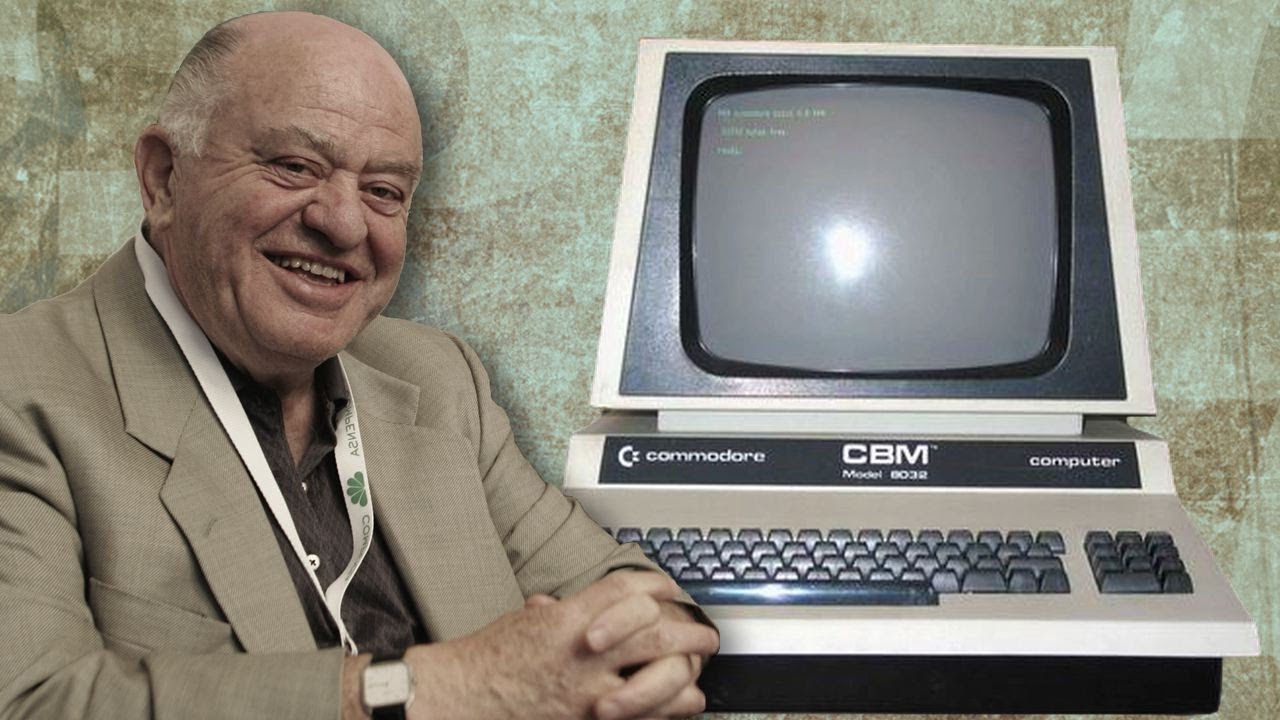
Commodore grew from typewriters into mechanical adding machines, then into electronic calculators, riding each wave of technology as it arrived. By the early 1970s it was a real success. And then it was nearly destroyed, by a partner it had trusted.
Commodore bought the chips for its calculators from Texas Instruments. TI watched Commodore grow fat on its silicon, then in the mid-1970s simply undercut it: TI began selling its own finished calculators for less than it charged Commodore for the parts alone. The move gutted Commodore's margins and pushed it to the edge of collapse. For Tramiel it was a second, smaller version of a lesson he already knew in his bones. If you depend on someone else for the thing that keeps you alive, they can decide, at any moment, that you should die.
If you want to survive, never leave your fate in another man's hands. Make your own brain, your own silicon, yourself.The lesson Tramiel took from the Texas Instruments betrayal
That conviction set off the single most important decision in Commodore's history, and it had nothing to do with a computer. It was about owning the factory.
02 / vertical integration
Commodore buys its own brain
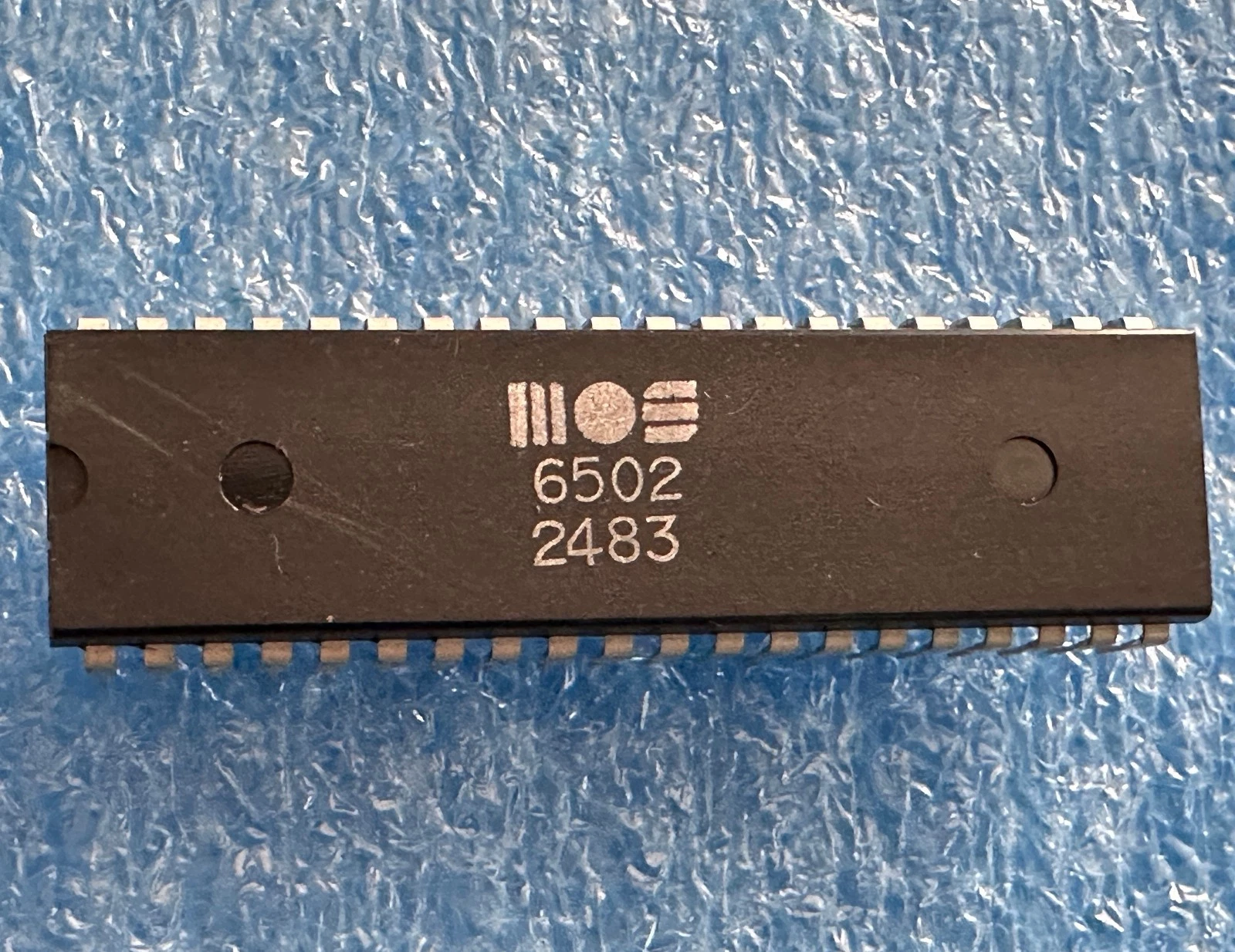
In 1976, with the company still bleeding, Tramiel made his counter-move. He bought a small, struggling chip maker in Pennsylvania called MOS Technology. On paper it was a desperate firm rescuing itself by buying another desperate firm. In practice it was a chess move that would reshape an entire industry, because MOS came with a team of brilliant engineers and one extraordinary product: the 6502 microprocessor.
The 6502 was the people's chip. It was dramatically cheaper than rivals from Intel and Motorola, simple, and far more capable than its price suggested. It would go on to power the Apple II, the Atari 2600, the BBC Micro, and the original Nintendo Entertainment System. Commodore now owned the brain that half the coming home-computer revolution would be built on, and it could make that brain itself, in its own factory, for a cost no competitor could match.
MOS also came with Chuck Peddle, the engineer who had led the 6502, and Peddle had a heretical idea. He told Tramiel that calculators were a dead end and that the future was the personal computer. Tramiel, never a technologist himself, told Peddle to prove it by building one. The result, in 1977, was the Commodore PET: an all-in-one machine in a hard metal case with a tiny keyboard and a built-in screen. It was sturdy and a little charmless, but it announced something important. Commodore was no longer just assembling other people's parts. It was a computer company that made its own chips, and it would play by its own rules.
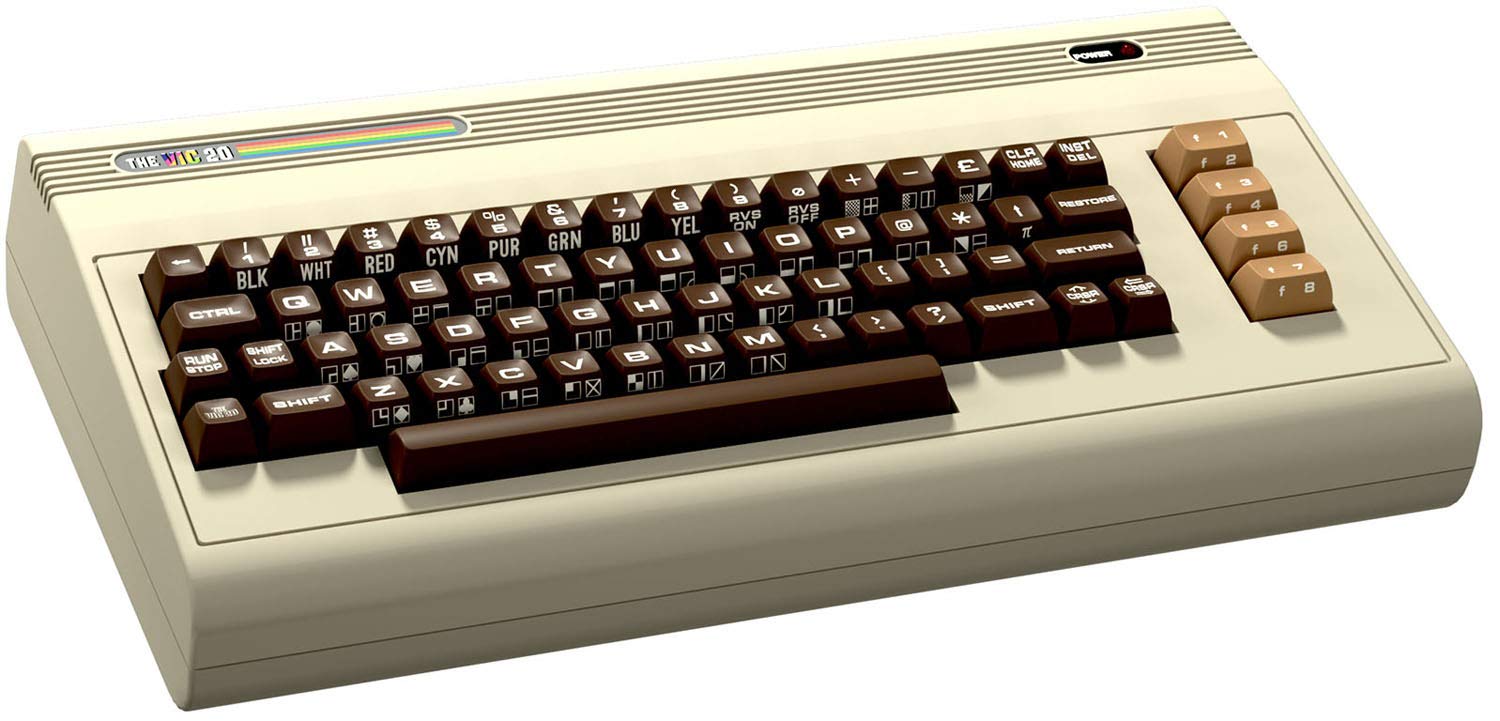
The next proof came in 1981 with the VIC-20, a small colour computer that Commodore pushed hard and priced low. It became the first computer in history to sell more than a million units. William Shatner appeared in the adverts asking why you would buy a mere game machine. The strategy was working. But the VIC-20 was thin where it mattered: barely five kilobytes of memory, weak graphics, no real horsepower. Tramiel did not want another modest hit. He wanted to walk into the market and detonate it.
03 / the build
An impossible machine, in about six weeks
The machine that became the Commodore 64 did not start life as a computer at all. MOS engineers Albert Charpentier and Bob Yannes had been building a new generation of graphics and sound chips for a games console that never shipped. When Tramiel saw what those chips could do, he killed the console idea and gave his engineers an order that sounded close to insane: take these chips, wrap a real computer around them with 64 kilobytes of memory, and have a working prototype ready for the Consumer Electronics Show in early January 1982. They had roughly six weeks.
The 64K demand was the audacious part. Memory was expensive in 1981, and 64 kilobytes was luxurious when rivals shipped 16K or 48K. The chips alone cost more than a hundred dollars, against a machine Tramiel intended to sell for under six hundred. Every instinct in the industry said it could not be done at that price. Tramiel's bet was simple and cold: memory prices were falling fast, and by the time the machine reached full production the maths would work. He was right, and he was willing to gamble the company on being right.
The team could move at this speed for one reason almost no rival had: a chip-fabrication line on the premises. Most computer companies designed a chip, sent it out, and waited weeks or months to see if it worked. Commodore could lift a circuit out of a design, run it as a test chip in its own factory, and in an emergency turn a new revision around in as little as four days. The engineers also had a freedom that has become almost mythical in hindsight. Because everyone assumed they were only building some chips, not a flagship product, the corporate bureaucracy left them alone. They did their own market research, set their own targets, and built the thing on a hunch.
04 / the silicon soul
Two chips that made it sing, and made it dance
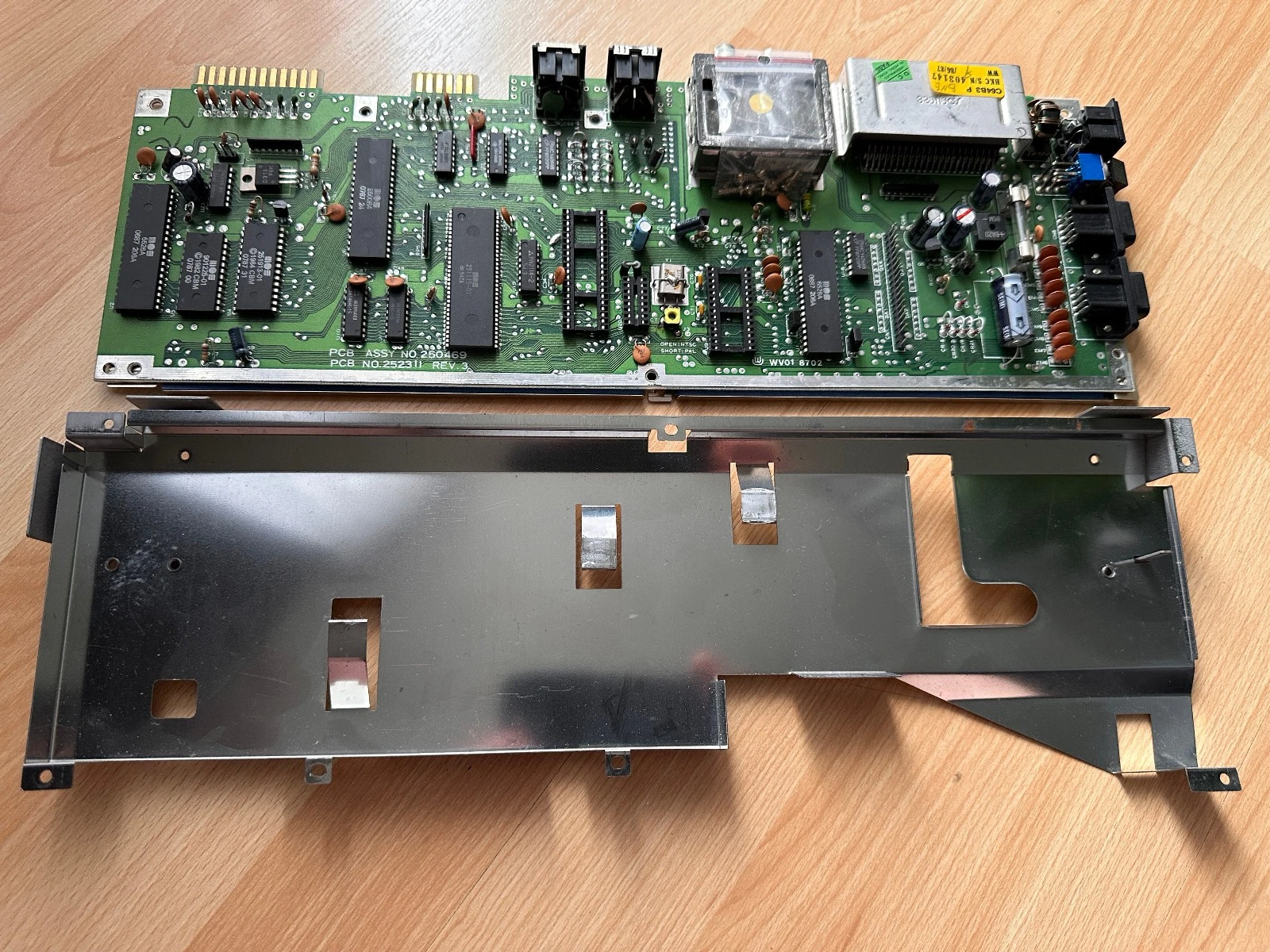
A computer is only as interesting as what it can put on a screen and through a speaker, and this is where the Commodore 64 stopped being a cheap box and started being a phenomenon. Almost everything people remember loving about it comes down to two pieces of custom silicon, each one a small act of stubbornness by the engineer who designed it.
The VIC-II: graphics with muscles
The first chip was the VIC-II, designed by Albert Charpentier, and it handled everything you saw. It offered sixteen colours and, far more importantly, eight hardware sprites: small movable graphic objects that the chip could push around the screen on its own, without the main processor breaking a sweat. If you have ever wondered why Commodore 64 games could fling so many smoothly moving shapes about while rival machines stuttered, this is the answer. The VIC-II did the heavy lifting in dedicated silicon, freeing the processor to think about the game instead of the pixels. It could also scroll the whole screen smoothly, the trick that made side-scrolling arcade games feel right at home in the living room.
The SID: a synthesiser on a chip
The second chip is the one people get emotional about. The SID, or Sound Interface Device, was designed by a twenty-four-year-old engineer named Bob Yannes, and it was unlike anything else in a home computer. Most machines of the era beeped. Some buzzed. The SID was a genuine three-voice music synthesiser carved into a single chip, with proper waveforms, envelopes, filters and ring modulation: the building blocks of an actual electronic instrument rather than a toy noise-maker.
Yannes was a musician as much as an engineer, steeped in the synthesiser records of the day, and he had no patience for the primitive sound hardware everyone else shipped. He said so plainly.
I thought the sound chips on the market, including those in the Atari computers, were primitive and obviously had been designed by people who knew nothing about music.Bob Yannes, designer of the SID chip
That contempt is audible in the result. The SID gave the Commodore 64 a voice that composers spent years learning to push past its limits, and a small pantheon of musicians, Rob Hubbard, Martin Galway, Jeroen Tel, Chris Hulsbeck, became famous inside the scene purely for the sounds they coaxed out of three little voices. People still write new music for the SID today, on original hardware, four decades later. No other sound chip in computing history inspires that kind of devotion.
Put the machine next to its 1982 rivals and the shape of the win becomes clear. It was not that the Commodore 64 led on every single number. It was that it bundled serious graphics, a real synthesiser and a generous helping of memory into a box that cost a fraction of the competition.
| Machine | Launch price | RAM | Hardware sprites | Sound |
|---|---|---|---|---|
| Commodore 64 | $595 | 64 KB | 8 sprites | 3-voice SID synth, with filters |
| Atari 800 | ~$899 | 48 KB | player/missile graphics | 4-voice POKEY |
| Apple II+ | ~$1,195 | 48 KB | none (software only) | 1-bit beeper |
| TI-99/4A | $525 | 16 KB | 32 sprites | 3-voice tone generator |
The Atari had a wider colour palette on paper, and the TI could throw more sprites at the screen. But the Atari and the Apple cost roughly twice as much, and the TI gave you a humiliating sixteen kilobytes of memory wrapped around an awkward design that was painful to program. The Commodore 64 was the machine that gave you nearly everything, for the price of almost nothing. And Tramiel was about to make the price even more brutal.
05 / scorched earth
The price war that burned a giant to the ground
When Commodore first showed the machine at the Consumer Electronics Show in January 1982, much of the press did not believe it. A full-colour, sound-capable, 64-kilobyte computer at that price looked less like a product and more like a marketing bluff, a number printed on a card to rattle competitors. The skeptics had a point about the economics. The memory chips alone cost Commodore more than a hundred dollars apiece at first. Tramiel was making a bet: that chip prices would fall fast, that his own factory would make them fall faster for him than for anyone else, and that he could sell the machine at a loss for a while and win the market before the bill came due. He was right on every count.
The Commodore 64 reached shops in volume through 1982 at $595. Then, in January 1983, Tramiel did the thing he had been building towards his entire career. He started a price war designed not to beat his rivals but to destroy them.
His chosen victim was the company that had once tried to do the same to him: Texas Instruments. Commodore slashed the VIC-20 to $139 and kept cutting. TI, whose competing TI-99/4A relied on chips it bought rather than made, tried to match the cuts with rebates, dropping its price again and again. But Tramiel owned his factory, which meant he owned his costs. Every time TI cut its price, Commodore could cut deeper and still make money, or at least bleed more slowly. TI was fighting a man who could afford to lose longer than it could.
It ended exactly as Tramiel intended. On 10 June 1983, Texas Instruments announced the largest loss in its corporate history. That autumn, in October 1983, TI abandoned the home computer business altogether. The company that had nearly destroyed Commodore a decade earlier by selling calculators below cost had now been driven out of an entire market by Commodore selling computers below cost. For Tramiel it was not just business. It was the closing of a circle that had opened years before, and it was very personal.
06 / the contested record
The best-selling computer of all time, but how many actually sold?
Here is the claim you will read everywhere, repeated as settled fact: the Commodore 64 is the best-selling single computer model in history. The Guinness Book of Records has certified it. It is the one statistic everyone knows about the machine. And the closer you look at it, the more it dissolves into an argument that has never truly been settled.
The trouble starts with the man himself. Jack Tramiel loved a big number, and over the years he and Commodore floated figures as high as twenty-two, even thirty million units. Those numbers were extrapolations, projected forward from peak production rates, and they do not survive contact with the evidence. Commodore's own official line settled at around seventeen million. For decades that was the figure the world accepted.
Then the detectives arrived. Independent researchers, most notably Michael Steil, went back through serial numbers, factory records and internal documents. A separate thread of investigation reached one of Commodore's own former treasurers, who had access to the real internal sales accounts. Their conclusions landed in roughly the same place, and it was a long way below the legend: somewhere around twelve and a half million machines, with the Commodore 64 on its own perhaps closer to eleven.
That is the strange beauty of this argument. You can strip away every inflated claim, side entirely with the most sceptical accountant in the room, and the Commodore 64 still wins. The record stands on the lowest believable estimate. The mythology was never necessary.
The shape of the sales tells its own story. The machine sold modestly at first, around 360,000 units in 1982, then 1.3 million in 1983 as the software arrived, then exploded to roughly 2.6 million in 1984 at the height of the home-computer boom. After that it settled into a long, steady run of well over a million units a year, holding on in Europe in particular well into the 1990s, long after the rest of the industry had moved on. It was not a firework. It was a bonfire that refused to go out.
07 / the schism
The king walks out, and turns on his own creation
At the very peak, with the Commodore 64 selling by the million and rivals in retreat, the man who built it all walked away. In January 1984, after years of mounting friction, Jack Tramiel resigned from the company he had founded in a Bronx repair shop three decades earlier. The split was sudden and bitter, and Commodore never truly recovered from it.
The fight was with Irving Gould, the financier who had rescued Commodore during the calculator crisis and who, as chairman, controlled the company's money. The exact trigger depends on who is telling the story. Tramiel's son Leonard has said his father confronted Gould over treating the company's assets as if they were his own. Gould's side, echoed by some Commodore executives, framed it differently: that Tramiel was demanding his three sons be given seats on the board, and Gould refused. Either way, the founder lost the argument and left. Commodore's stock, which had soared on the back of the C64, began a long slide. The new management tried to follow the machine up with the Commodore 16 and the Plus/4, computers that were incompatible with the C64 and that the market simply rejected.
But Tramiel was not finished, and what he did next turned a corporate divorce into one of the strangest grudge matches in the history of technology. Later in 1984, he bought Atari, the fallen video-game giant that Warner was desperate to offload after the great console crash of 1983. He renamed it Atari Corporation and set out to do to his old company exactly what he had always done best: beat it on price, and beat it personally.
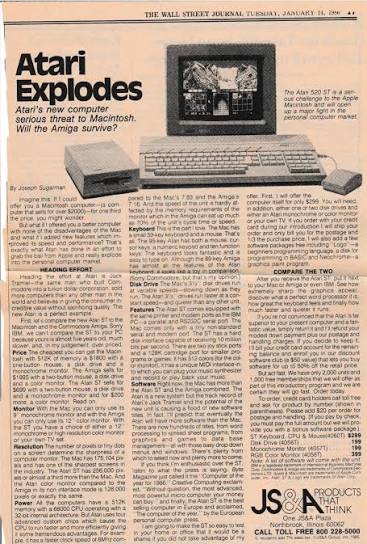
What followed was a war fought between a father and the company that still bore his fingerprints. Commodore, now without Tramiel, had acquired a startup whose engineers had built something extraordinary: the Amiga, a 16-bit machine with pre-emptive multitasking, thousands of colours and custom chips that left everything else in the home looking primitive. Tramiel's Atari answered with the ST, cheaper and simpler, which found a permanent home in music studios thanks to its built-in MIDI ports. For a few years the two machines, one from the company Tramiel created and one from the company he now ran, slugged it out for the soul of the home computer.
The Amiga is its own enormous story, the tale of what Commodore did with the genius it inherited and how it eventually squandered it. We have told that one separately, and it is the natural next stop from here: the rise and tragic fall of the Commodore Amiga 500. For our purposes, the point is simpler and sadder. The company that made the best-selling computer in history had lost the one man who knew how to fight, at the exact moment the fight was about to get harder.
08 / the lived experience
Loading, please wait (and wait, and wait)
All of that, the survivor and the price war and the boardroom knives, is the history. But that is not what the Commodore 64 actually was to the millions of us who lived with one. To us it was an object in the corner of a room, with very particular smells and sounds and frustrations, and a set of small daily rituals that anyone who owned one will recognise in their bones. This is the part of the story that no sales chart can hold.
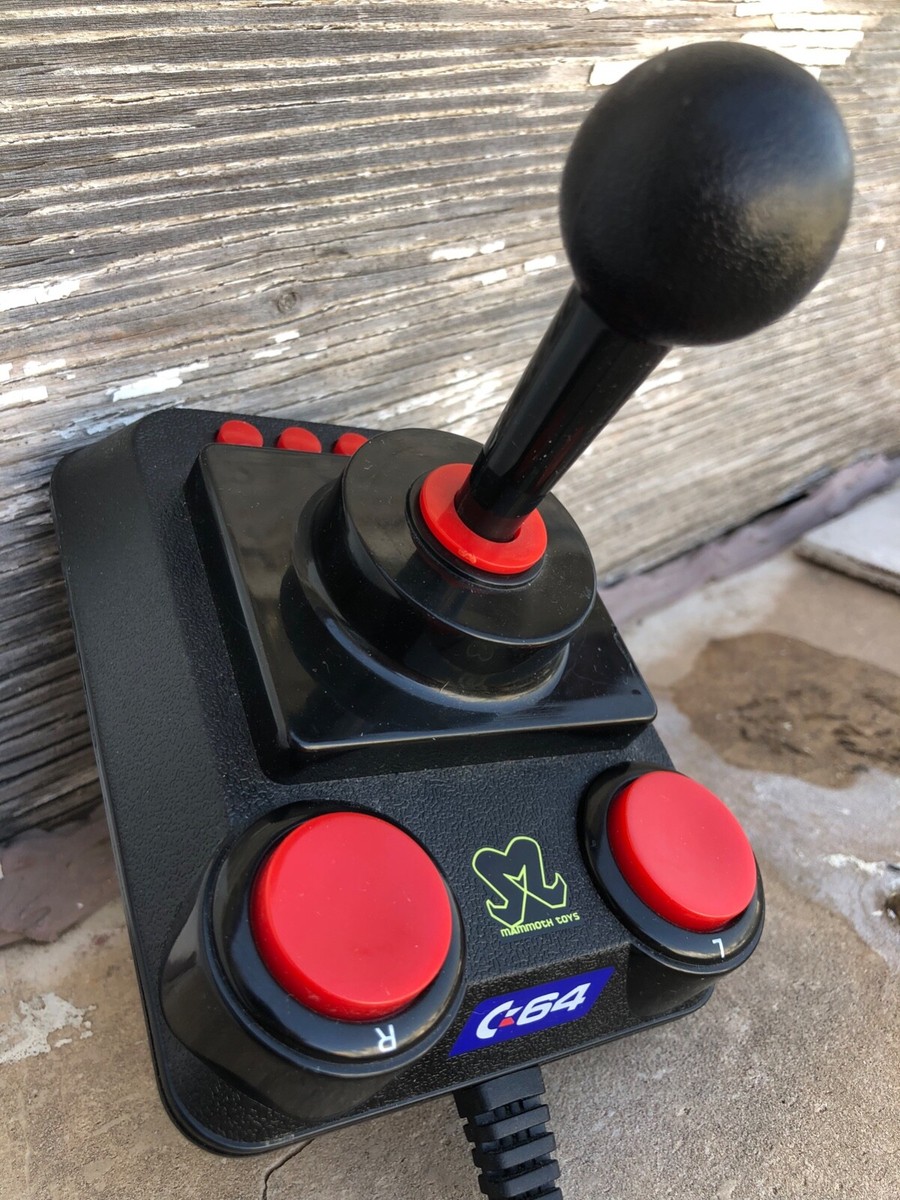
Start with the joysticks. I cannot tell you how many I went through. They were not built for the way we played, which is to say with total commitment and no mercy, and they wore out, cracked, went mushy, lost their click. A worn stick in the middle of a hard game was a small tragedy, and replacing it was just part of the cost of living there. The machine asked you to be physical with it, and it paid you back by slowly falling apart in your hands, and somehow that made you love it more.
Then there was the loading. Before disk drives were common, and they stayed expensive and scarce for a long time, most of us loaded our games from cassette tape, through a device called the Datasette. You typed a command, pressed play, and then you waited. Minutes. Long minutes, filled with screeching noise and a flickering border, at the end of which the game might load, or might not, and you would never quite know which until it was over. Patience was not a virtue with a Commodore 64. It was a requirement.
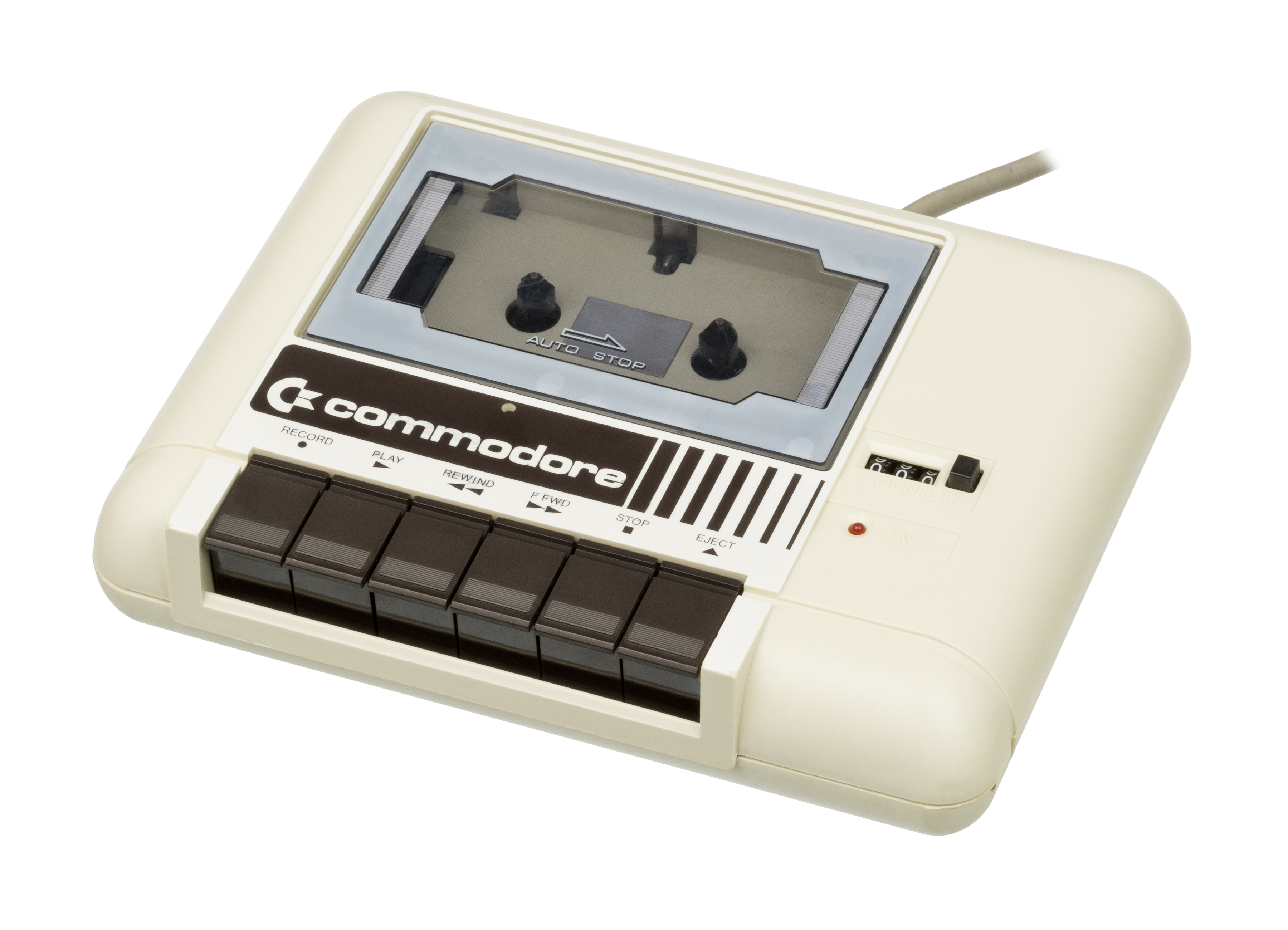
And this is where my favourite memory lives, because the loading problem turned a generation of children into amateur engineers. The tapes were fussy. Whether a game loaded or failed often came down to the precise angle of the little magnetic head inside the Datasette as it read the tape, a setting we called the head alignment. Get it slightly wrong and the data turned to noise. So, after a lot of effort and a long search, I tracked down and fitted a small device to my cassette player, a little add-on with a single red LED on it. As the tape played, that light would glow according to the strength of the signal the head was reading. The trick was to gently adjust the head while watching the light, and when the red glow was at its absolute brightest, you had it. The alignment was right. The tape would load. We had no instruments, no training, no idea what we were really doing. We just chased a red light until the machine obeyed, and it felt like magic, and in a small way it was engineering.
That instinct, to reach into the machine and make it behave, did not stay at the level of cassette tapes. At the far end of it sat the demoscene: groups of programmers, especially across Germany, the Netherlands, Scandinavia and the UK, who competed to make the Commodore 64 do things it was never designed to do. They broke its rules deliberately, splitting the screen in ways the hardware forbade, squeezing more colours and sprites and sound out of the chips than the manuals said was possible, all for no money and no reason except the pure joy of mastery. Much of what we know about how far this little machine could really be pushed, we know because these people refused to accept its limits.

09 / the legacy
The machine that outlived the company that made it
Commodore did not go gracefully. Through the late 1980s and early 1990s it bled talent, direction and money, fumbled the brilliant Amiga it had been handed, and missed both the rise of cheap IBM PC clones and the Nintendo-led return of the games console. In March 1994 it announced that the Commodore 64 was finally being discontinued. The following month, in April 1994, Commodore International filed for bankruptcy and ceased to exist. The little beige machine had been in production for around eleven and a half years, an eternity in an industry that usually measures product lives in months.
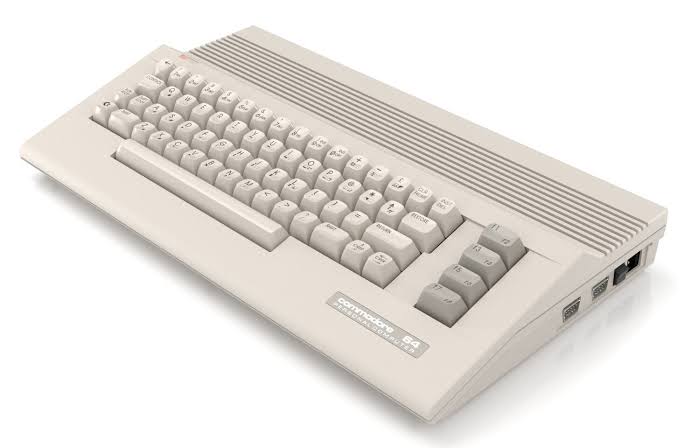
Here is the part that matters most, and it is the reason this story is worth telling at all. The machine outlived the company. Commodore is gone, Jack Tramiel died in 2012, and yet the Commodore 64 is still alive in a way almost no other product of its age can claim. People still write new games for it. Musicians still compose on the SID chip. The demoscene still gathers to push it further. And in 2025 the brand itself was revived: a new team released the Commodore 64 Ultimate, a faithful modern recreation of the original starting at around three hundred dollars, with HDMI, USB and Wi-Fi, and reviewers received it warmly. More than four decades after that first prototype was rushed together in six weeks, people still want to type on this thing.
Why? Not because the hardware was the most powerful of its day, because it was not. The real answer is in that empty READY prompt I started with. The Commodore 64 did not arrive with a walled garden of apps and a list of things it would permit you to do. It arrived with a blinking cursor and a silent, almost confrontational invitation: now what? It assumed you had something to say. It turned a generation of people who might have grown up as pure consumers of technology into people who made things with it, who poked values into memory and chased red lights and broke the rules of their own machines for fun. That is a strange and beautiful legacy for a product built by a man whose guiding philosophy was that business is war.
The Commodore 64 did not just sell more than any computer before or since. It quietly recruited a generation into making rather than buying, and that is why a 1982 machine still has a pulse in 2026.The verdict
Jack Tramiel wanted to put a computer in every home, and to win, and to settle some scores along the way. He did all three. But the thing he actually built outgrew his intentions. He set out to sell the most machines, and ended up handing millions of children the keys to the inside of a computer, at the precise age when that changes what you believe you are capable of. The sales record is the headline. The real story is everyone who started with 10 PRINT and never quite stopped.
10 / frequently asked
Questions people still ask about the Commodore 64
How many Commodore 64 units were actually sold?
Nobody can prove an exact figure. Guinness World Records lists the C64 as the best-selling desktop computer model of all time. Founder Jack Tramiel claimed twenty-two to thirty million, Commodore's own official number was seventeen million, and modern researchers who studied serial numbers and internal sales documents put it closer to twelve and a half million. Even at the most conservative count, it remains the best-selling single computer model ever made.
Why was the Commodore 64 so cheap?
Commodore owned MOS Technology, its own chip factory, so it manufactured the C64's processor, graphics chip and sound chip in-house at a cost rivals could not match. Jack Tramiel used that advantage to start a price war, cutting the C64 from $595 at launch to roughly $200 within a year, and selling it through department and toy stores rather than specialist computer shops.
What made the SID sound chip special?
The MOS 6581 SID, designed by twenty-four-year-old engineer Bob Yannes, was effectively a music synthesiser on a single chip. Where rival machines produced simple beeps, the SID offered three independent voices, multiple waveforms, filters and envelope control. It let composers write rich, memorable music, and it is widely regarded as a musical instrument in its own right.
If the C64 sold so well, why did Commodore go bankrupt?
Commodore lost its driving force when founder Jack Tramiel resigned in January 1984 after a clash with chairman Irving Gould. The post-Tramiel management failed to follow up the C64 with coherent products, mishandled the technically superior Amiga, and could not read the rise of IBM PC clones and Nintendo. Commodore International filed for bankruptcy in April 1994.
Is the Commodore 64 worth anything today?
Original machines in good condition have real value among collectors, and the brand was revived in 2025: a new team released the Commodore 64 Ultimate, a faithful modern recreation starting around $300 with HDMI, USB and Wi-Fi. The C64's lasting value, though, is cultural, as the machine that taught a generation to make software rather than just consume it.